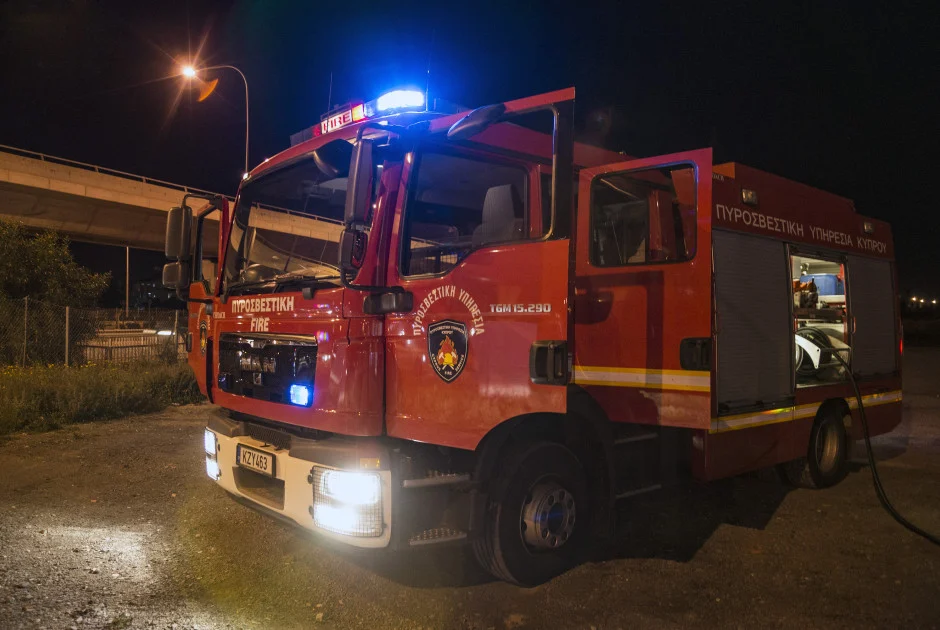
Cyprus Fire Service: A Grueling 24 Hours with 39 Calls Amidst House Fires
The Cyprus Fire Service demonstrated exceptional readiness and resilience recently, responding to an intense wave of 39 calls across the island within a mere 24-hour period. This demanding stretch, culminating at 6 AM on a Wednesday, saw firefighters tackling a diverse array of emergencies, with a significant focus on structural fires, including two notable incidents at private residences in Aglandjia and Kalavasos. These events underscore the constant vigilance required and the invaluable role of our emergency services in safeguarding lives and property.
Of the nearly four dozen calls, 20 were direct fire incidents, ranging from small blazes to more significant property damage. The remaining 19 calls involved various special services, highlighting the multifaceted nature of the fire department's responsibilities beyond simply extinguishing flames. While material damage was reported in several instances, a critical outcome was the absence of any personal injuries, a testament to rapid response times and, in one notable case, quick thinking by a resident.
A Hectic 24 Hours for Cyprus Firefighters: Responding to Diverse Incidents
The statistics paint a vivid picture of the relentless pace faced by Cyprus's dedicated firefighters. Responding to 39 incidents in just one day is a stark reminder of the unpredictable nature of emergencies and the crucial role the Fire Service plays in maintaining public safety. The 20 fire-related calls encompass a broad spectrum of incidents, from domestic fires to vehicle fires, and potentially even smaller outdoor blazes, each demanding immediate and skilled intervention. Every instance of a пожар на объекте (fire at a property) requires a unique approach, careful assessment, and precise execution to contain the threat and minimize harm.
Beyond the direct battles against flames, the 19 special service calls illustrate the comprehensive nature of the Fire Service's duties. These can include anything from extricating individuals from road traffic accidents, responding to chemical spills, assisting with floodwaters, animal rescues, or even providing support at other emergency scenes. This dual responsibility demands extensive training, specialized equipment, and an unwavering commitment from every member of the force. The seamless coordination and rapid deployment of resources across the island ensure that help is always at hand, no matter the emergency.
Dissecting House Fires: Aglandjia and Kalavasos Incidents
Among the multitude of calls, two house fires stood out, offering valuable insights into common and less common ignition sources within residential properties. These incidents, occurring in Aglandjia and Kalavasos, while distinct in their origins, both highlight the devastating potential of uncontrolled flames and the critical importance of early detection and intervention.
Aglandjia: The Unforeseen Iconostasis Blaze
In Aglandjia, a residential fire broke out in the early hours of Wednesday morning, specifically within a small iconostasis inside a home. Authorities received the distress call at 4:56 AM, but by the time firefighters arrived, the flames had already been extinguished by the homeowner's domestic helper. This swift and courageous action undoubtedly prevented a more significant disaster, limiting the damage primarily to the iconostasis structure itself, several icons, and surrounding painted surfaces. The cause of this particular пожар на объекте remains under investigation, underscoring that even seemingly innocuous areas within a home can pose fire risks.
The incident in Aglandjia serves as a powerful reminder of the effectiveness of having a fire plan and knowing how to react. While professional firefighters are always the ultimate line of defense, immediate action by residents can often contain minor incidents before they escalate. It also brings to light the less common origins of fires, prompting property owners to consider all potential ignition sources, even those associated with religious or decorative elements that might involve candles or electrical lighting.
Kalavasos: The Hidden Danger of Chimney Heat Loss
Later on Tuesday evening, a separate incident unfolded in Kalavasos, where a part of a wooden roof was consumed by fire. The call came in at 6:43 PM, prompting a swift response from the Vasilikos fire station with two fire engines. By 7:50 PM, the blaze was successfully brought under control. Investigators determined that the fire was caused by heat loss through the chimney of a fireplace, a common yet often overlooked hazard, especially during the colder months when heating systems are in regular use.
Thankfully, while the wooden roof sustained damage from both fire and heat, the contents of the house remained unaffected. This incident is a classic example of how compromised chimney integrity can lead to a structural fire. Heat loss can ignite nearby combustible materials in the roof space or walls, turning a cozy fireplace into a serious threat. It highlights the critical need for regular chimney maintenance, inspection, and ensuring proper insulation and clearances for all heating appliances.
Beyond the Blazes: Understanding Common Fire Risks in Cyprus Homes
The incidents in Aglandjia and Kalavasos are just two examples of the myriad ways a fire can start within a home. While an iconostasis fire might be unique, and a chimney fire a seasonal concern, there are numerous other common fire risks that every Cypriot homeowner should be aware of. Understanding these potential hazards is the first step in effective fire prevention.
- Electrical Faults: Overloaded sockets, faulty wiring, damaged appliances, and aging electrical systems are frequent culprits. Modern homes with numerous electronic devices often strain older installations.
- Kitchen Accidents: Unattended cooking, oil fires, combustible materials too close to hobs, and faulty kitchen appliances are major contributors to domestic fires.
- Heating Systems: Beyond chimneys, portable heaters too close to curtains or furniture, malfunctioning central heating units, and improper fuel storage for wood burners can all lead to disaster.
- Smoking: Discarded cigarettes, especially in bedrooms or on balconies, remain a significant cause of fatal house fires.
- Candles and Open Flames: Unattended candles, especially near flammable decorations, curtains, or on unstable surfaces, pose a continuous risk.
- Outdoor Spreading Fires: While less common for direct structural fires, wildfires or agricultural fires in dry conditions can sometimes spread to properties if not properly managed, especially for homes on the fringes of rural areas.
For more detailed information on specific fire causes and prevention, you may find these articles insightful: Cyprus Firefighters Respond to House Blazes, Uncover Unique Causes and Understanding Home Fire Risks: Lessons From Cyprus Incidents.
Proactive Steps: Essential Fire Prevention Tips for Every Household
Preventing a пожар на объекте (fire at a facility) is far more effective than reacting to one. Implementing basic fire safety measures can drastically reduce the risk of a domestic blaze and protect your loved ones and property. Here are some actionable tips:
- Install and Maintain Smoke Detectors: Ensure you have working smoke detectors on every level of your home, especially inside and outside sleeping areas. Test them monthly and replace batteries annually, or as recommended by the manufacturer.
- Regular Chimney and Heating System Checks: If you have a fireplace or wood-burning stove, have your chimney professionally cleaned and inspected at least once a year. Ensure all heating appliances are serviced regularly.
- Electrical Safety First: Avoid overloading electrical sockets. Replace frayed or damaged cords and never run them under carpets. Unplug small appliances when not in use. Consider having a qualified electrician inspect your wiring if your home is older.
- Kitchen Vigilance: Never leave cooking unattended. Keep flammable items like dishcloths, oven mitts, and paper towels away from hobs. Have a fire extinguisher or fire blanket readily accessible in the kitchen.
- Safe Candle Usage: Always place candles on stable, heat-resistant surfaces, away from anything that can burn. Extinguish all candles before leaving a room or going to bed.
- Develop an Escape Plan: Practice a fire escape plan with your family. Identify at least two exits from every room and establish a designated safe meeting point outside your home.
- Know Emergency Numbers: Ensure everyone in the household knows how to call the emergency services (112 or 199 in Cyprus).
- Consider a Home Fire Extinguisher: Learn how to use a multi-purpose (ABC rated) fire extinguisher and keep it in an easily accessible location.
Conclusion
The Cyprus Fire Service's remarkable response to 39 calls in 24 hours, including critical house fires in Aglandjia and Kalavasos, is a powerful reminder of the dangers we face and the dedication of those who protect us. While the firefighters heroically put out blazes and responded to special service calls, the incidents also serve as a crucial prompt for every resident to reassess their home fire safety. By understanding common risks, diligently implementing preventative measures, and having a plan in case of emergency, we can all contribute to reducing the frequency and severity of future incidents, ensuring that our homes and communities remain safe havens.